“What do you do when you see a gauge rise?”
Professor Budge asked sharply.
“I’d open a valve” I stammered.
“All at once?”
His intensely earnest tone unnerved me. McWhirr had told me how the engineer’s—we called him the Professor—long, solitary hours below decks had gone to his head. Apparently, he was also an amateur linguist and had recently developed a keen interest in ancient Mesopotamian texts. Beyond the maze of pipes, gauges and boilers behind him, a blackboard was mounted on the steel bulkhead on which was written in chalk:
Climb the walls of Uruk, walk its length.
Survey the foundation, study the brickwork.
There—is it not made with oven baked bricks?
Did the Seven Sages not lay its foundations?
The professor went on: “Of course the amount of change in the glass will depend on where the pipe connects to the bottom of the boiler, because there the water column is cooler and gives only a partial…”
“Stations men! We’re in for a dusting!” McWhirr called through the speaking horn.
I rushed up the ladder to see McWhirr squinting through the wheelhouse windows at the dark, lowering clouds. Our boat began to pitch violently in a chop that had suddenly transformed the placid surface of the river into a seething snarl of whitecaps. I’d heard of storms on the Euphrates but, being a strictly blue-water sailor, thought them merely overblown yarns told by salts in the far-flung grog-shops of the globe. But here it was, a veritable hurricane, as if the whole river was pounding against our bows like the fabled flood that crushes walls of stone.
“Steady Mister Budge, it’s only a capful of wind,”
Wrestling the wheel, McWhirr yelled: “Nebuchadnezzar’s Quay is only around the bend. If we can get there before fetching up on a mudbank we’ll be golden. And Mister Spencer, pay heed to the professor. He may have a few bolts loose, but he knows his stuff!”
We’d been commissioned by the University of Pennsylvania Museum to ship antiquities found by the Punnett excavations upriver at Nippur. Captain McWhirr had taken the opportunity to make a few lira by hauling priceless artifacts down a pirate infested river on the paddle-wheel steamer, the Samaramis.
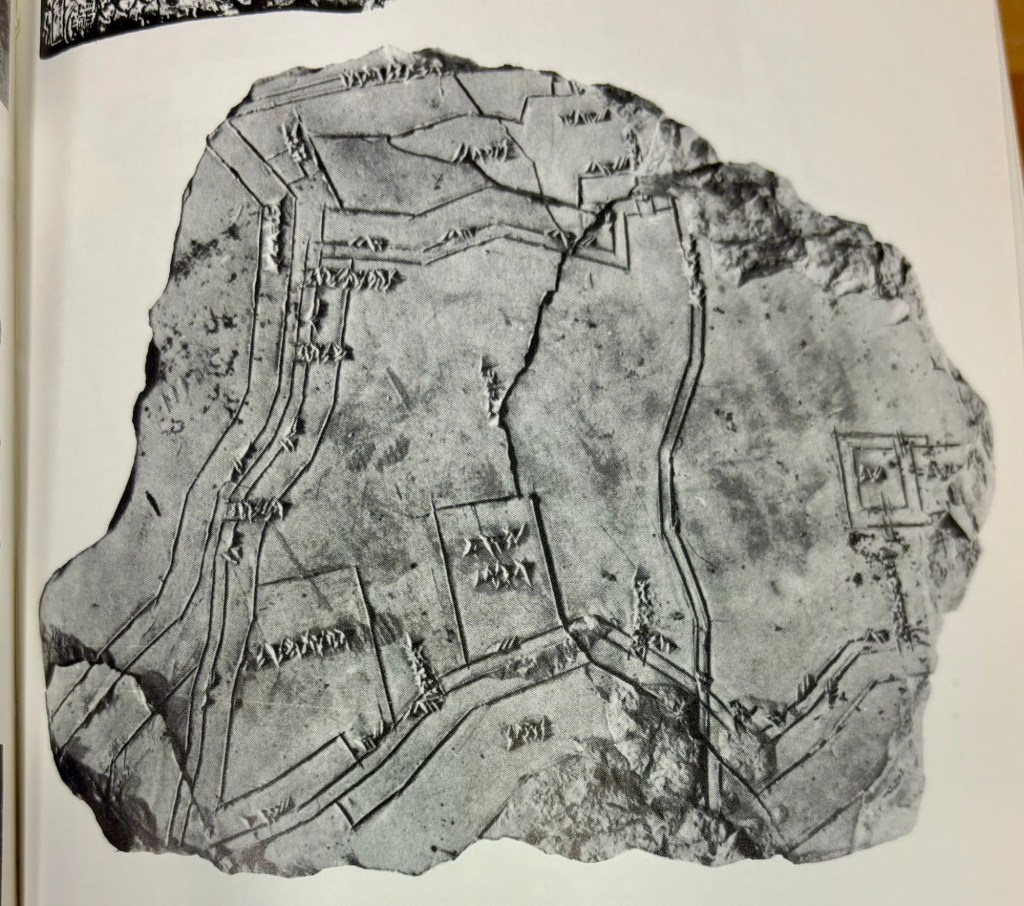
Map of Nippur


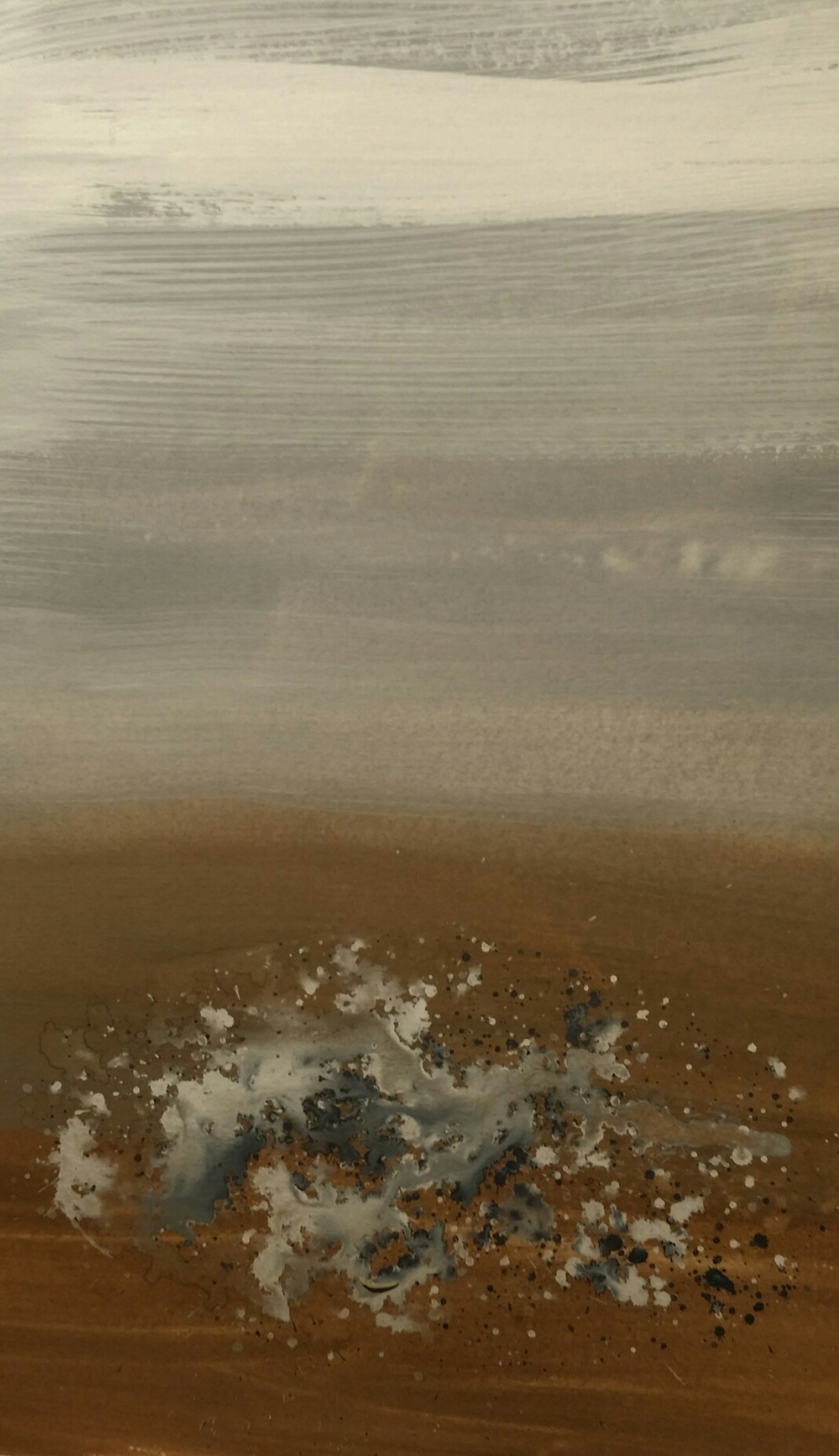

 In their attempts to descry portents in the flight of birds, ancient augurs oriented themselves toward the north. Flights from the right hand (East) were viewed as affirmation of the query, from the left, negation. Significantly, during the Roman Empire, this orientation was reversed. The cardinal point upon which political, ethical, and moral standards were based was suddenly reversed by Imperial decree.


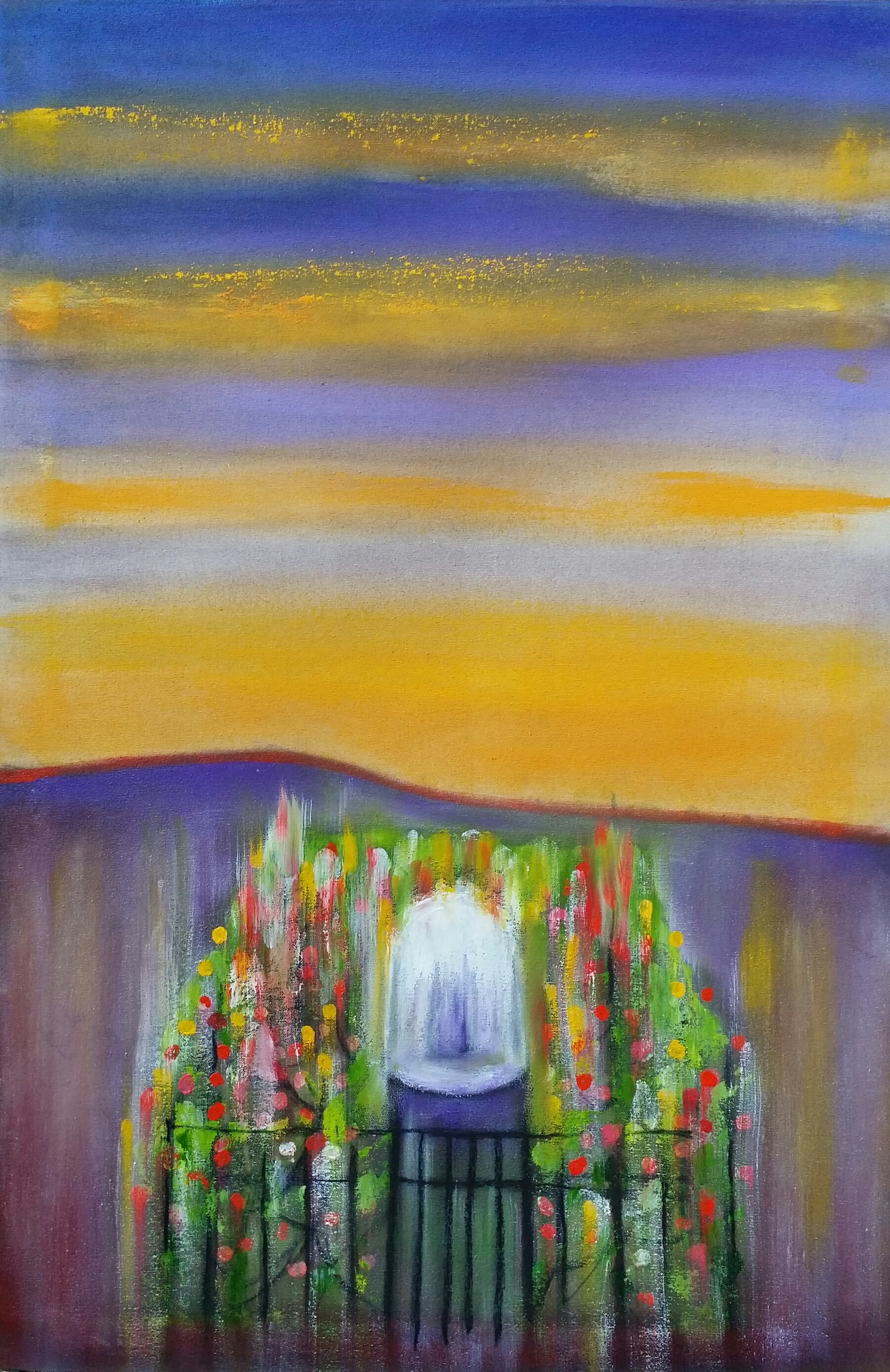
 A View from the Wheelhouse