The Samamaris was making frightful leeway as we rounded the bend towards our moorings at Nebuchadnezzar’s quay. But it lightened somewhat on our approach and Captain McWhirr eased her up as if it were a Sunday family cruise. The storm, fierce as it had been, died down as quickly as it had risen.
“Make off the bowline to the second bollard Mister Spencer.”
“Easy now professor.”
After making fast and shutting down the boiler, we jumped ashore for a look around. It was an ancient mound—or tell—that slowly sloped down into the depths of the river to form the quay. The lower strata was made of baked mud bricks coated with bitumen, some of which were stamped with the seal of Nebuchadnezzar himself. To the Northwest, the mound rose high against the hot afternoon sun. An Arab Shepard stood gazing down at this apparition of a stern-wheel steamer with a wheelhouse that sat on her deck like a little hat on a frumpy British dowager.
Soon, a short guy in a white suit and pith helmet walked up and made an obsequious bow.
“I am Joesph Cairo of the customs office. Would you be the Captain of the steamer Samaramis?”
“I would.”
“The customs office has impounded your vessel due to a minor technical matter regarding…”
“Bakshish?” interrupted McWhirr.
“I wouldn’t put it so indelicately. But there are certain processing costs incurred by the Museum trustees sponsoring this worthy effort to preserve our priceless treasures for the future edification and enrichment of both of our great nations.“
“For the enrichment of somebody anyway.”
Cairo smiled placidly: “I heard you were a man of few but laconic words, Captain McWhirr. Shall we go to my office? It’s just up the promenade.”
McWhirr is well accustomed to Cairo’s ilk. Recent digs and spectacular finds have brought out sleazy shysters to exploit the ignorance of scholars and archeologists. Especially vulnerable to such scams are the rapture tourists, who seek affirmation of scripture by marking the river’s depths, which— as is prophesied in the Book of Revelations—will dry up as a sign of the end times. The chandler in Bagdad enjoys a brisk trade selling sounding gear to these New Age fundamentalists. But these days, all that’s needed is a pool cue, so they may have a point after all. An inch drop will have them speaking in tongues, talking to lizards and enthralled by the thought of total annihilation of a third of humankind. But we were concerned with more prosaic matters regarding the water’s depth. A blow like we had earlier could drive our shallow draft vessel sideways onto the bank, prey to bandits who roam this desert with impunity.
But events that were to unfold cast a new light on the prophesied end-times, and gave us—if not eternal salvation—a hard-won appreciation for the convoluted twists of fate.
We walked up the towpath—or “promenade” as Cairo so generously called it—and came to the customs house. It was no more than a shack of mud brick and bundles of reeds. A guy in a green visor and sleeve garters sat next to a fake banana plant contemplating a calendar. This month’s model was Theda Bara tricked out as the Goddess of the Underworld. Those dark eyes followed me around the shack; eyes that can go from abject terror to ecstatic elation without so much as a smoke break between takes. We paid the gentlemen who were, after all, only playing their parts in the perpetual exchange of vice and virtue; where everything evens out in the end—more or less.
Later, as I lay on the pilot house bunk listening to the eerie keening of jackels far into the night, I could hear the professor intone:
“He set sail; the father set sail,
Enkei the God of Wisdom set sail for the underworld
……the waters of the sea devoured the bow of his boat like wolves.
The waters of the sea struck the stern like lions.”
I flowed downriver. The bleak boatman had abandoned his tiller, leaving me adrift. But I escaped shipwreck and the scene suddenly changed. I gazed into the blue eyes of the glittering goddess. We embraced and kissed. It was a sweet soul kiss that I could still taste when I woke to McWhirr’s hail.
“All hands on deck!”
McWhirr runs a tight ship, even if it is a mode of propulsion he thinks unseemly for a man of working sail.


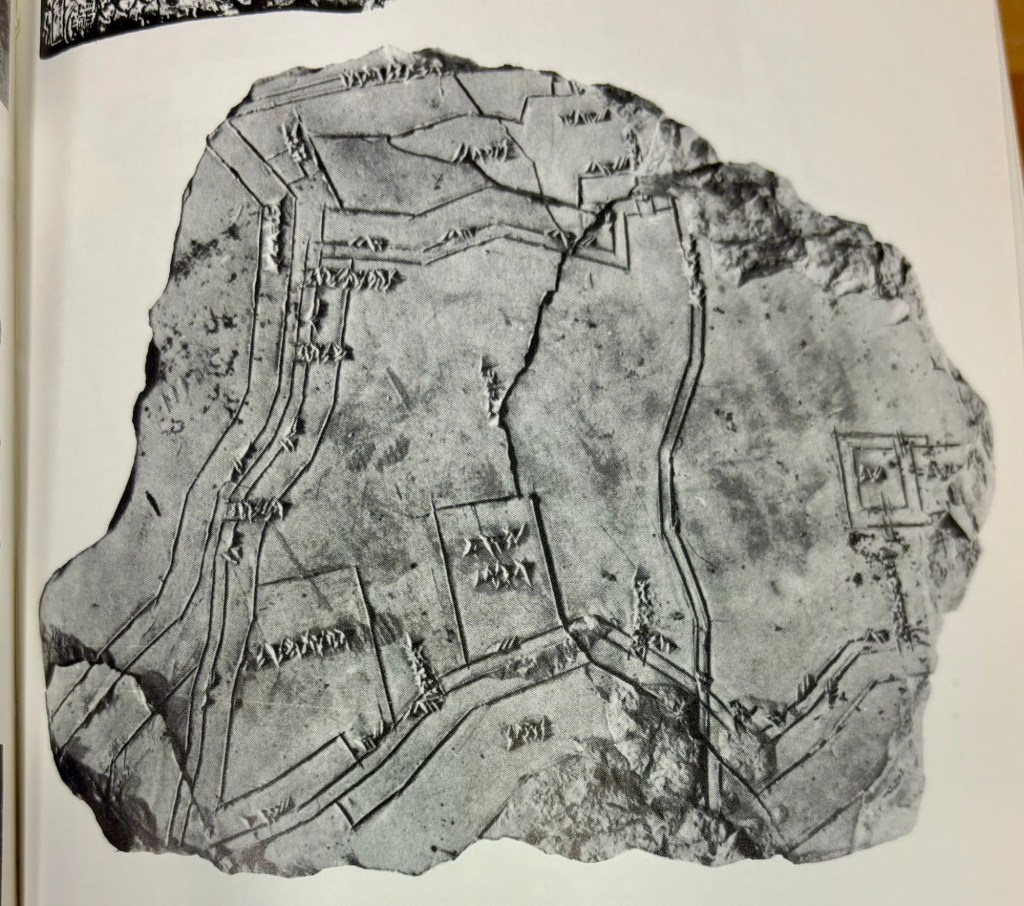
 A View from the Wheelhouse